

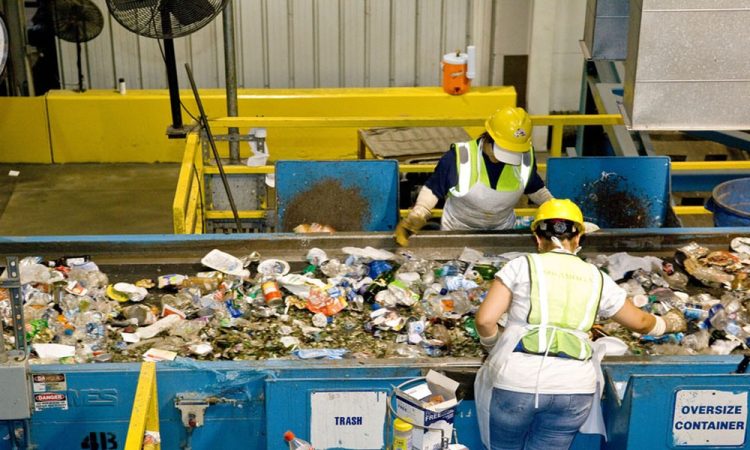
Plastic recycle Singapore programmes depend on one fundamental thing – people knowing exactly which items belong in the recycling bin and which do not. Confusion over what qualifies as recyclable plastic remains one of the biggest barriers to improving Singapore’s recycling rate. When the wrong items enter the recycling stream, they contaminate entire batches and undermine the efforts of everyone involved. Getting this right is the foundation upon which effective recycling is built.
Understanding Plastic Resin Codes
Every plastic product is marked with a resin identification code – a number from one to seven enclosed in a triangular arrow symbol. These codes indicate the type of polymer used and determine how that item can be recycled. Familiarising yourself with these codes is one of the most practical steps towards responsible plastic disposal.
- PET (Code 1) – Polyethylene terephthalate, commonly used for water bottles, soft drink bottles, and food containers. This is one of the most widely recycled plastics in Singapore
- HDPE (Code 2) – High-density polyethylene, found in milk jugs, detergent bottles, and shampoo containers. A highly recyclable plastic with strong manufacturer demand
- PVC (Code 3) – Polyvinyl chloride, used in plumbing pipes and some packaging. More difficult to recycle and generally not accepted in standard programmes
- LDPE (Code 4) – Low-density polyethylene, used for plastic bags and cling wrap. Recycling options are limited but growing
- PP (Code 5) – Polypropylene, found in yoghurt containers, bottle caps, and food storage containers. Increasingly accepted by recycling facilities
- PS (Code 6) – Polystyrene, used in disposable cups and packing foam. Difficult to recycle and rarely accepted
- Other (Code 7) – A catch-all category for mixed or specialised plastics. Generally not recyclable through conventional channels
Common Household Items You Can Recycle
Knowing the codes is useful, but understanding how they translate into everyday items is what truly matters. In Singapore, the following common household plastic items are generally accepted for recycling.
Beverage bottles made from PET plastic are among the easiest items to recycle. Whether it is a water bottle, a juice container, or a soft drink bottle, simply rinse it out, replace the cap, and place it in your blue recycling bin. Cleaning product bottles – including those for laundry detergent, dish soap, and household sprays – are typically made from HDPE and are widely accepted.
Food containers made from polypropylene, such as yoghurt tubs and margarine containers, can be recycled once rinsed thoroughly. Milk and juice cartons, while not purely plastic, are accepted in Singapore’s recycling programme. Plastic bags made from LDPE can be recycled at designated collection points, though they should not be placed in standard blue bins as they can clog sorting machinery.
As Amy Khor once noted, “Recycling right is just as important as recycling more.” This principle should guide every decision we make at the bin. A contaminated recycling load does more harm than good.
Items That Should Not Go in the Recycling Bin
Equally important is knowing what does not belong in the recycling stream. Placing non-recyclable items in the blue bin is one of the primary causes of contamination in Singapore’s plastic recycling system.
Styrofoam containers and packaging are not accepted in standard programmes due to the difficulty of processing expanded polystyrene. Plastic cutlery, straws, and stirrers are typically too small or contaminated to be recycled effectively. Cling wrap that has been in contact with food is generally not recyclable through conventional channels.
Plastic toys, electronic casings, and composite items that combine multiple materials are also problematic. These require specialised processing that standard facilities cannot provide. When in doubt, check with your local recycling provider or the National Environment Agency guidelines.
The Importance of Proper Preparation
Even fully recyclable items can be rendered useless by improper preparation. Food residue is the single largest contaminant in Singapore’s recycling bins. A peanut butter jar that has not been rinsed, a takeaway container still coated in sauce – these can spoil an entire batch of clean recyclables.
The preparation process is simple but essential. Rinse containers with water to remove food residue. Remove labels where possible. Separate caps if they are made from a different plastic type. Flatten bottles to save space. These small steps take seconds but have an outsized impact on the quality of material reaching processing facilities.
Building Better Habits for a Cleaner Future
Recycling is not a one-time decision. It is a daily practice that requires consistency and knowledge. Singapore’s recycling infrastructure can process significant volumes of plastic waste, but it functions effectively only when materials received are clean, correctly sorted, and genuinely recyclable.
Every correctly sorted bottle, every rinsed container, every moment spent checking a resin code contributes to a system that protects our environment and conserves resources. The knowledge is available and the infrastructure is in place. What matters now is that each of us commits to applying what we know, every single day.
Choosing to participate in plastic recycle Singapore initiatives with care and consistency is one of the most practical contributions any individual can make towards a cleaner, more sustainable nation for generations to come.